

Avoiding Confirmation Bias in Sports Betting
Published on: January 20, 2022
Updated on: September 1, 2025
Category: Advice & Tips
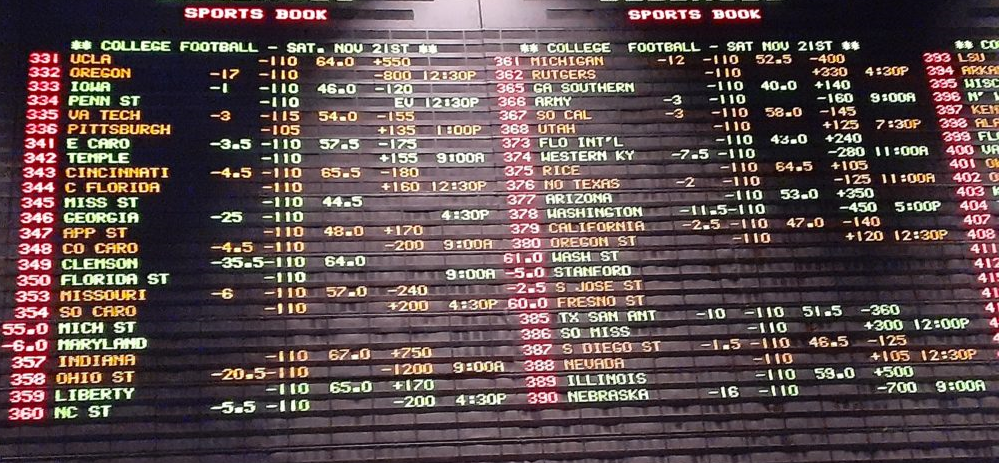
The following post explores tips for avoiding confirmation bias in sports betting.
Falling prey to confirmation bias is a costly mistake made by many sports bettors. When you selectively focus on information that confirms your beliefs while ignoring contradictory data, you risk making decisions that look good in the moment but fail in the long run.
Read: Pitfalls of Buying Sports Betting Picks
Related: Flat Betting For Wagering Success
Whether knowingly or unknowingly, many sports bettors fall into the confirmation bias trap. The good news is that it’s avoidable — with awareness, discipline, and systematic evaluation. Here’s what you need to know.
Overview
Confirmation bias occurs when a sports bettor selectively favors information that supports an existing belief or opinion, while ignoring or downplaying contradictory evidence.

Example: Imagine the Vegas Golden Knights are hosting the Los Angeles Kings. You’ve won five straight bets on VGK and feel they can’t lose. Since you’re emotionally invested in VGK, you may disregard info suggesting the Kings are a live underdog. Your desire to ride the momentum of winning may lead to selectively focusing on information that supports your belief in VGK’s continued success. This is confirmation bias in action.
Tip: Before placing a bet, actively search for information that challenges your initial opinion. If you can’t find any contradicting data, that’s a red flag — you may be unconsciously favoring supportive evidence.
Recognize Emotional Triggers
Confirmation bias often overlaps with other emotional betting pitfalls. Losing streaks, winning streaks, or betting on favorite teams can all amplify biased thinking.
Example: A bettor who trusts a quarterback’s “home advantage” may recall only games where the QB excelled at home and ignore losses in similar conditions. Over time, this selective memory skews their wagering decisions.
Tip: Maintain a record of all bets — wins and losses — to help identify patterns of bias. Periodically review your results to see if certain types of bets consistently fall prey to emotional reasoning.
Seek Opposing Viewpoints
Avoiding confirmation bias isn’t just about self-reflection; it’s about actively challenging your assumptions.
Example: If you believe a team will win based on recent success, look for counterarguments: injuries, travel fatigue, historical performance against the opponent, or betting line trends. Consider the opposing viewpoint seriously and weigh it alongside your original analysis.
Tip: Follow analysts or forums with differing perspectives to ensure you’re exposed to a range of information rather than a single narrative that reinforces your existing beliefs.
Use Data to Stay Objective
Objective data is the best defense against confirmation bias. Statistics, historical trends, advanced metrics, and independent analytics sites provide a reality check against your assumptions.
Tip: Create a checklist for every bet:
Key stats for both teams or players
Injury reports and lineup changes
Historical matchup data
Betting market trends
Contradictory evidence you may have overlooked
If your bet survives scrutiny against all five, it’s a stronger, more objective decision.
Reflect on Past Outcomes
Reviewing past betting outcomes is crucial to identify bias. Reflect on why certain bets won or lost and whether confirmation bias influenced your analysis.
Tip: Regular reflection helps you separate luck from skill and identify recurring cognitive patterns. Over time, this habit strengthens your decision-making and reduces emotionally driven errors.